Filmpedagogerna Folkets Bio, together with European partners – IMEC-DICE (project coordination), Mediawijs (media and information literacy), and CERTH (technology development) – has participated in the EU project VISAVIS (VISual and AI Disinformation Verified with Information Literacy and Citizen Science).
The overall aim of the project is to strengthen the public’s ability to identify, analyse, and understand visual mis- and disinformation at a time when AI-generated content is rapidly evolving and spreading.
The background to the project is the increasing amount of manipulated images, AI-generated material, and misleading visual content circulating in society. This development has significantly influenced people’s trust in media and public information, not least during the COVID-19 pandemic and later geopolitical conflicts.
Project Structure
VISAVIS is built on three integrated components:
Technology – development of digital tools to verify/analyse visual content.
Education – pedagogical materials and lectures within MIL (media and information literacy).
Citizen participation – a citizen science/research campaign to test the tools and strengthen participants’ competencies.
The Swedish part of the project was carried out during a three-month campaign combining training, practical participation, and regular exercises.
The Swedish Citizen Science Campaign
Participant Groups
Two target groups took part in the campaign:
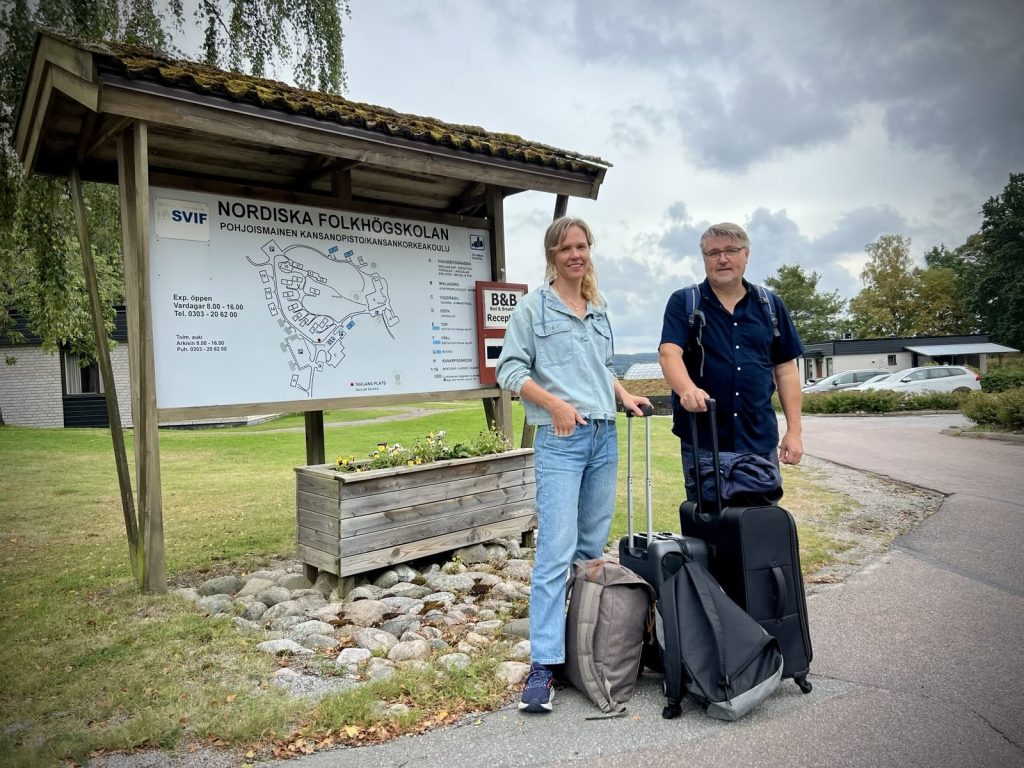
- Young adults (18–34) in cooperation with Nordiska folkhögskolan in Kungälv.
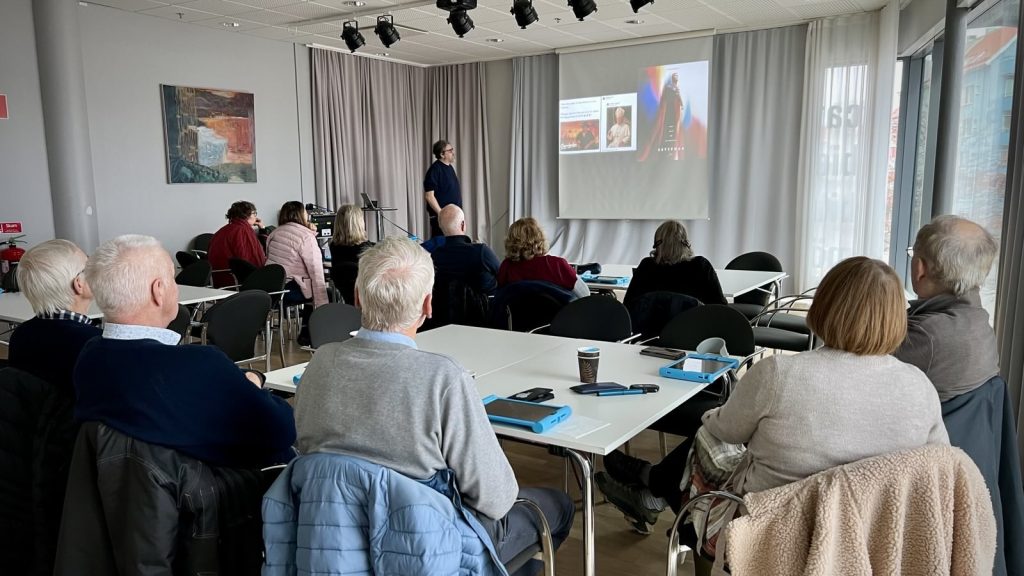
- Seniors (55+) recruited through a MIL project targeting older adults in Gothenburg.

The groups had different digital preconditions, especially the senior group, ranging from very active Internet users to individuals experiencing digital exclusion. However, they all shared exposure to today’s media landscape and expressed a need for strengthened knowledge.
Implementation
Filmpedagogerna carried out three physical meetings with each group, approximately one month apart.
Between meetings, participants received:
- Newsletters,
- Exercises,
- Images and videos to analyse via the VISAVIS platform.
The structure of the meetings included:
- Education in MIL, including AI, mis/disinformation, influence campaigns, and critical thinking,
- Practical training in using the project’s two verification tools,
- Joint analysis of exercises and materials.
Initial engagement among participants was very high. Many expressed that it felt meaningful to contribute to research on visual manipulation methods/strategies and to learn how to recognise misleading material.
Educational Material
During the project, specific training materials were developed for the participants. The material was based on their needs and experiences and is now being further refined based on their feedback. After the project ends, the materials will be public and freely accessible.

VISAVIS Online Platform
The core of the project is a digital platform offering two free tools:
Image Inspector
An AI-based analysis tool that assesses whether an image may be manipulated or AI-generated.
The tool presents results using probability levels, from “weak evidence” to “very strong evidence.” Participants greatly appreciated this, as they felt the tool provided guidance and support for reflection.
Video Inspector
A tool that, among other things, uses reverse video search to help users determine whether a video or short clip has been taken out of context.
Unlike the Image Inspector, this tool provides no scores or certainty levels. Users must interpret the results themselves, which trains critical thinking but may require more experience and guidance.
Experiences and Observations
Senior Group (55+)
The older group expressed strong appreciation for the MIL training. They valued that the content was tailored to their needs and linked to practical challenges in their daily lives, such as recognising scams, fake news, or manipulated images.
The group was heterogeneous: some had good digital skills, while others lived in digital exclusion. Nevertheless, all had experience of information flows and source criticism from earlier life situations—something that strengthened their ability to deal with today’s mis- and disinformation.

Participants’ Reactions
Both groups:
- Felt more confident in recognising visual manipulation,
- Expressed increased confidence in using the tools,
- Showed strong engagement in the project’s purpose and structure.
Conclusions
The Swedish VISAVIS campaign demonstrates that combining education, practical training, and citizen participation is an effective way to strengthen people’s ability to critically examine visual content.
The project also highlights a broader societal challenge:
Is the greatest risk that we can no longer distinguish false from genuine—or that we begin to question everything, even what is true?
VISAVIS emphasises the importance of developing source trust without falling into blind mistrust, and of combining technical tools with human experience and critical thinking.
In the meetings with approximately 110 seniors in ten locations, it became clear that even groups with varying levels of digital competence can strengthen their MIL skills. The project therefore represents an important step toward a more resilient society that actively counteracts the spread of fake news, manipulation, fraud, and influence operations.